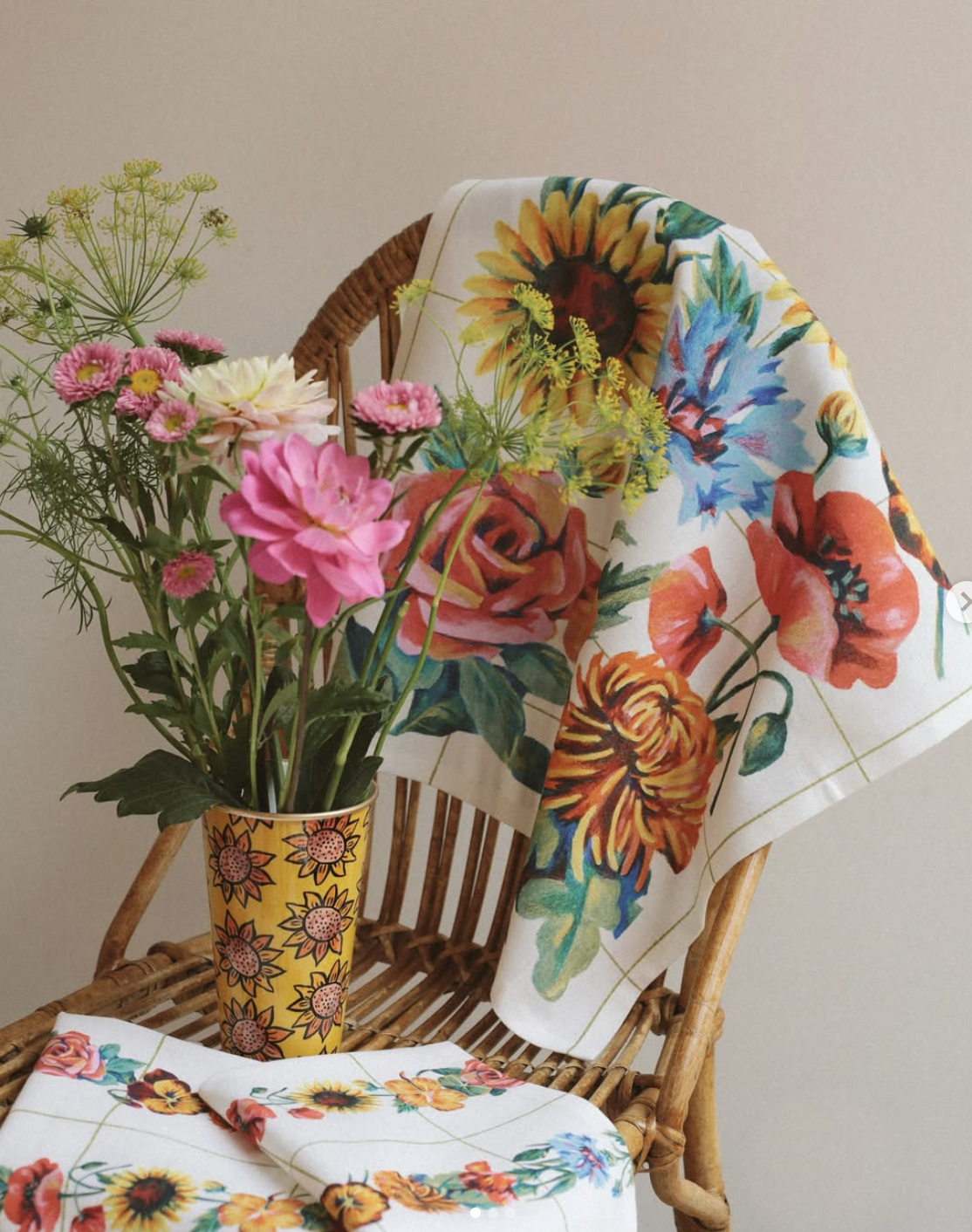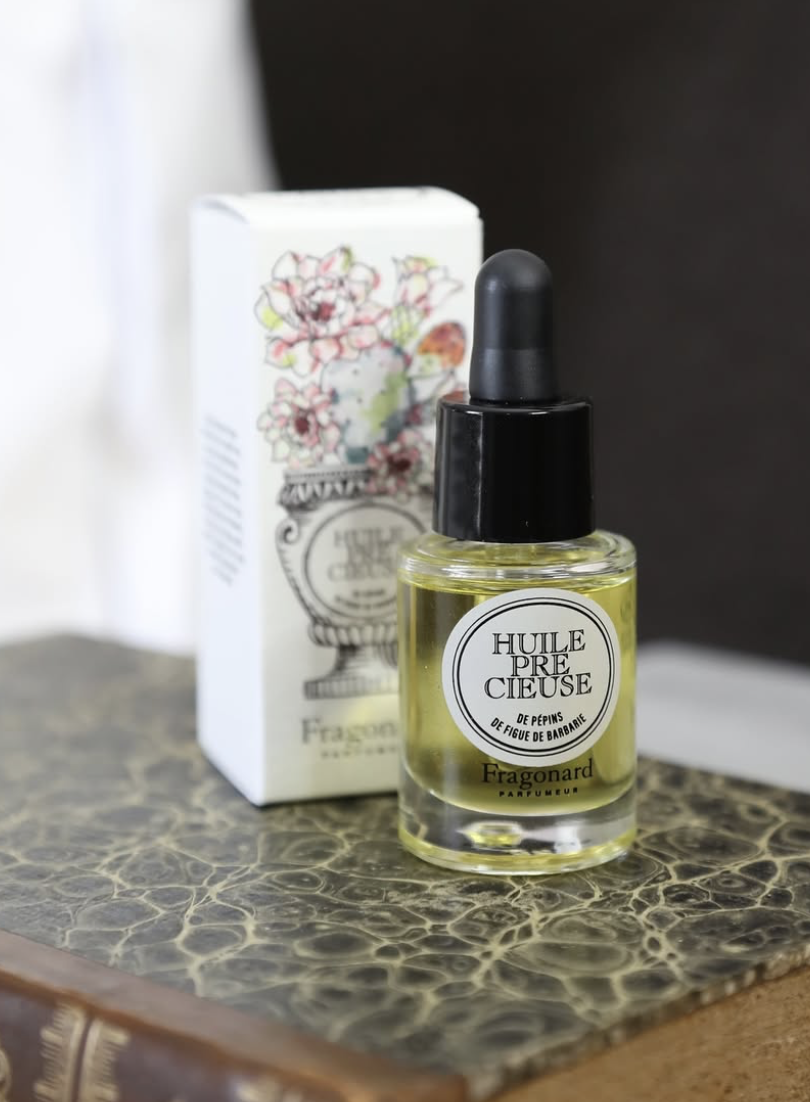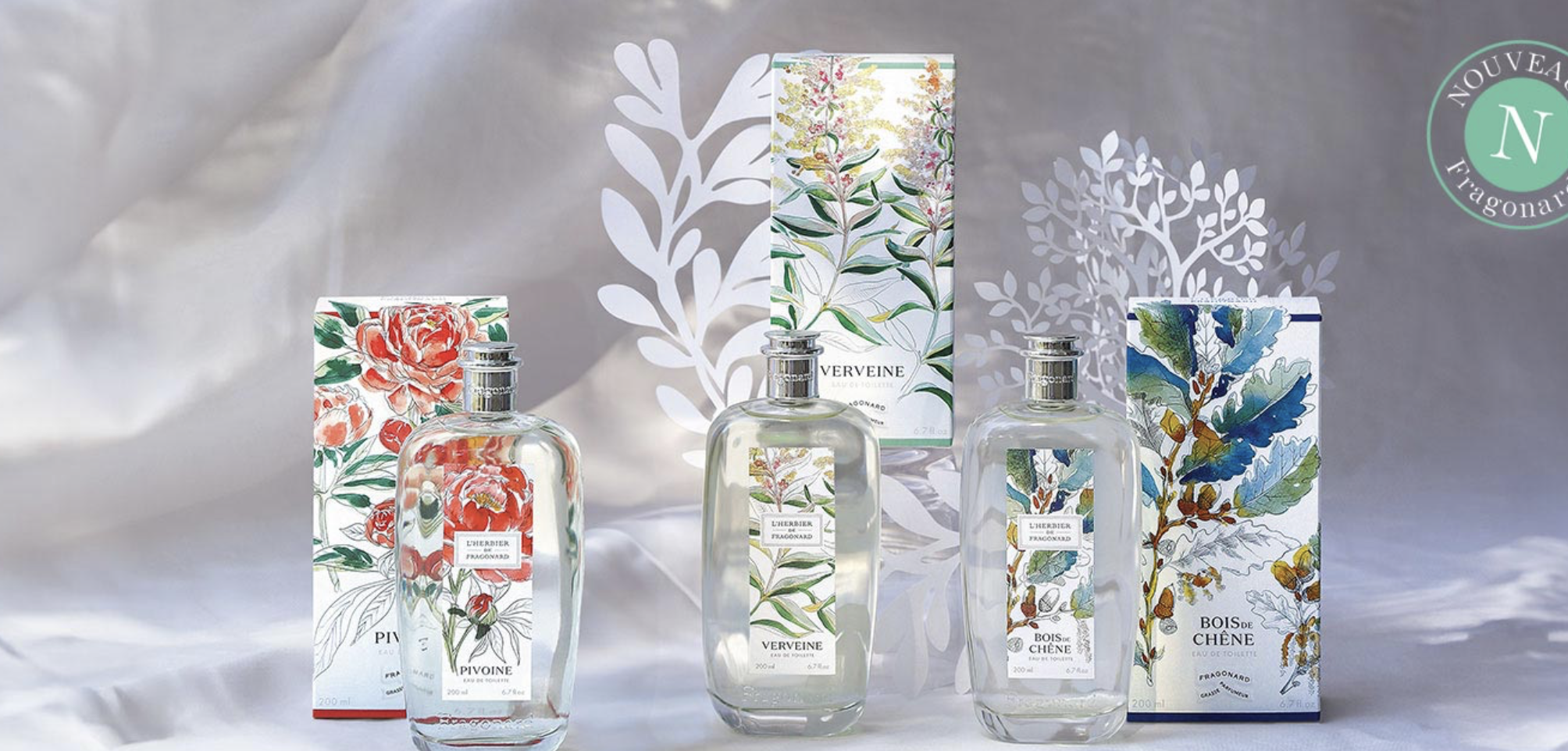
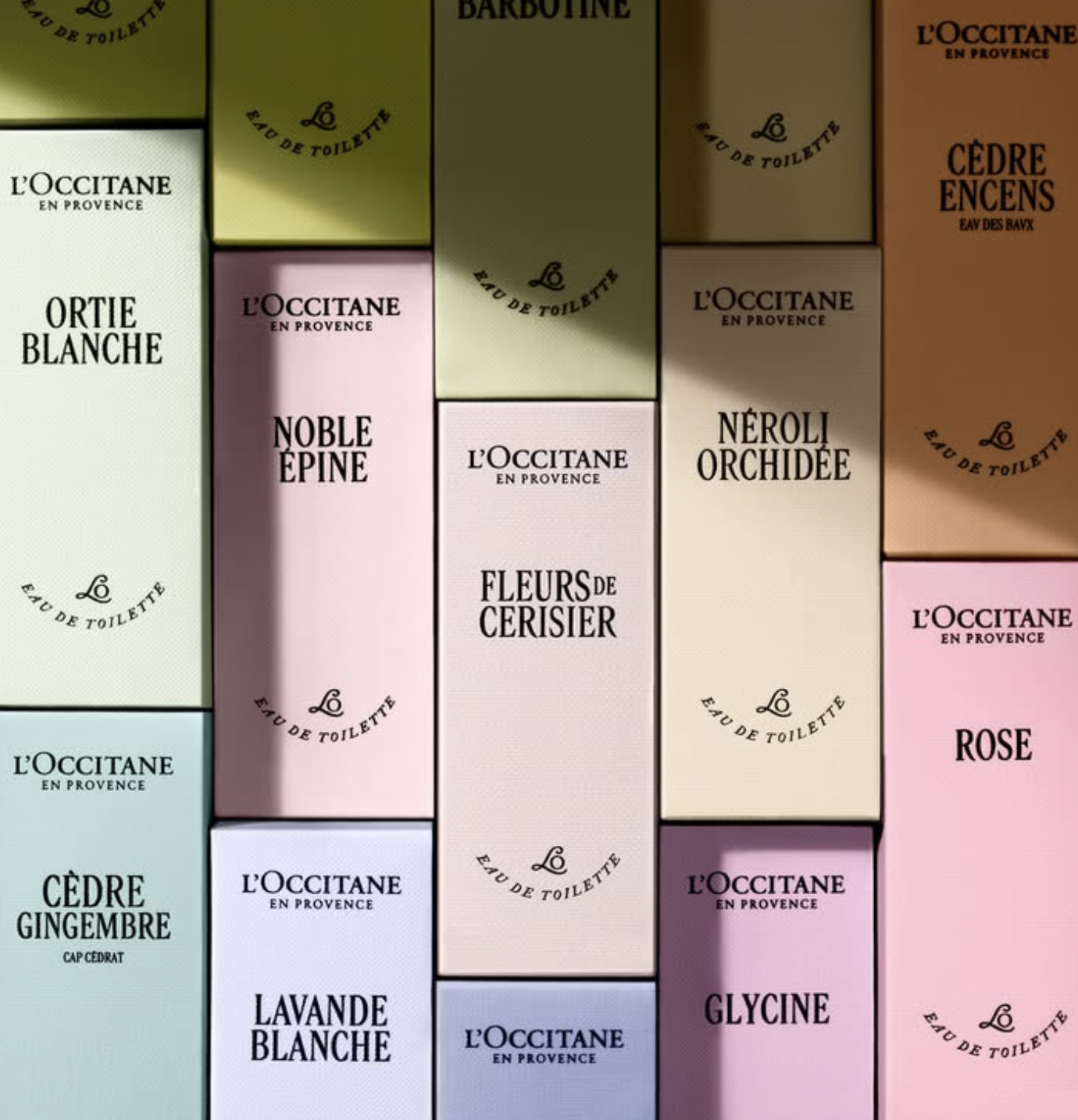
French beauty brand. L’Occitane, Fragonard, Le Jardin Retrouvé.
L’Occitane was founded in 1976 by Olivier Baussan in Provence, France. The brand’s inspiration comes from the Provencal landscape and natural plants such as rosemary, lavender and shea-butter. Its name references “Occitania” (the historical region of southern France) and emphasizes regional heritage. Globally present (over 90 countries). What they do well:
Eco-refills: They offer refill pouches made from 100% recycled and recyclable plastic in many cases.
Clear sustainability targets: By 2025 the goal is that 100% of bottles should be made of 100% recycled plastic and that all packaging should be reusable, recyclable or compostable.
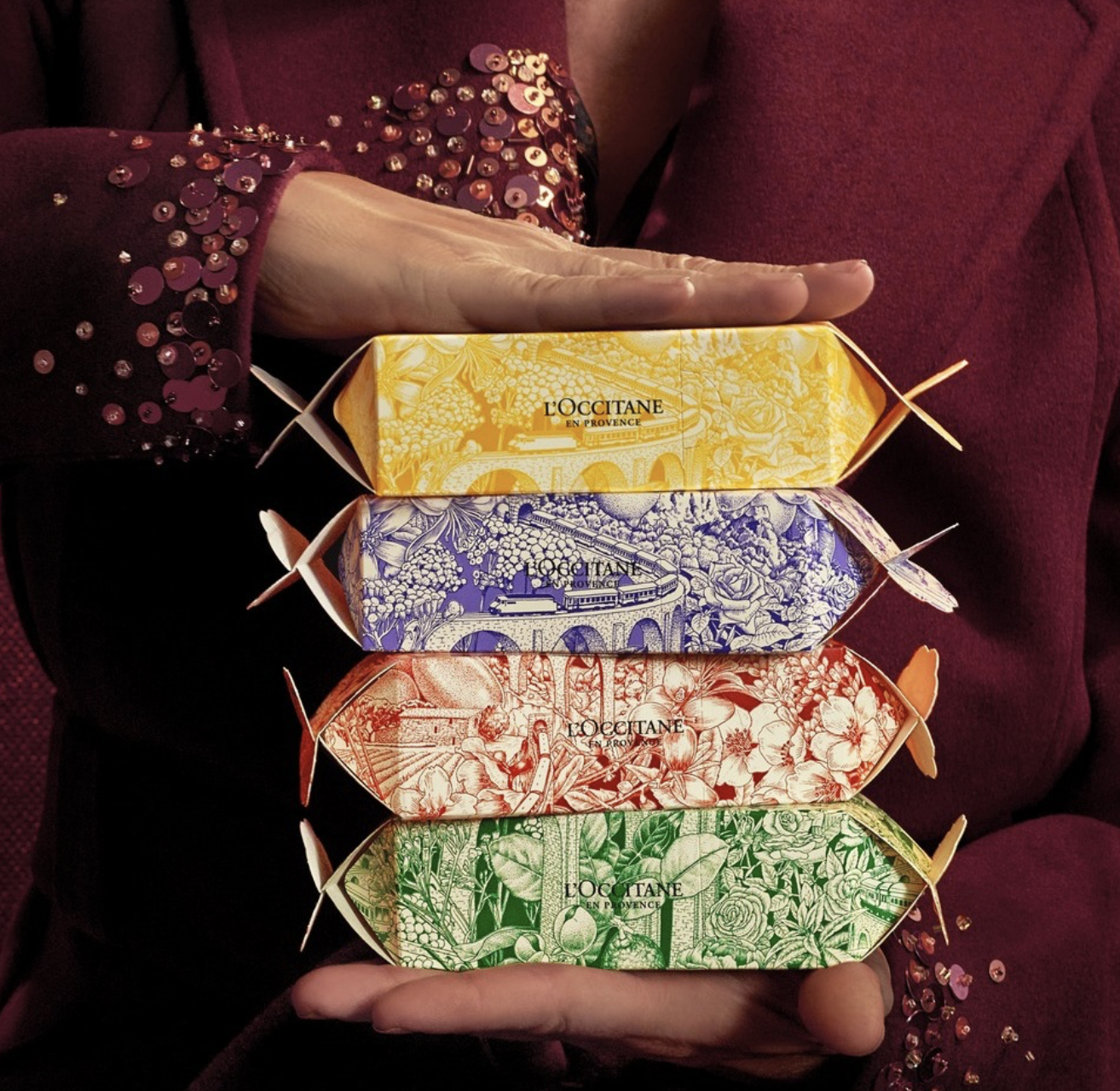
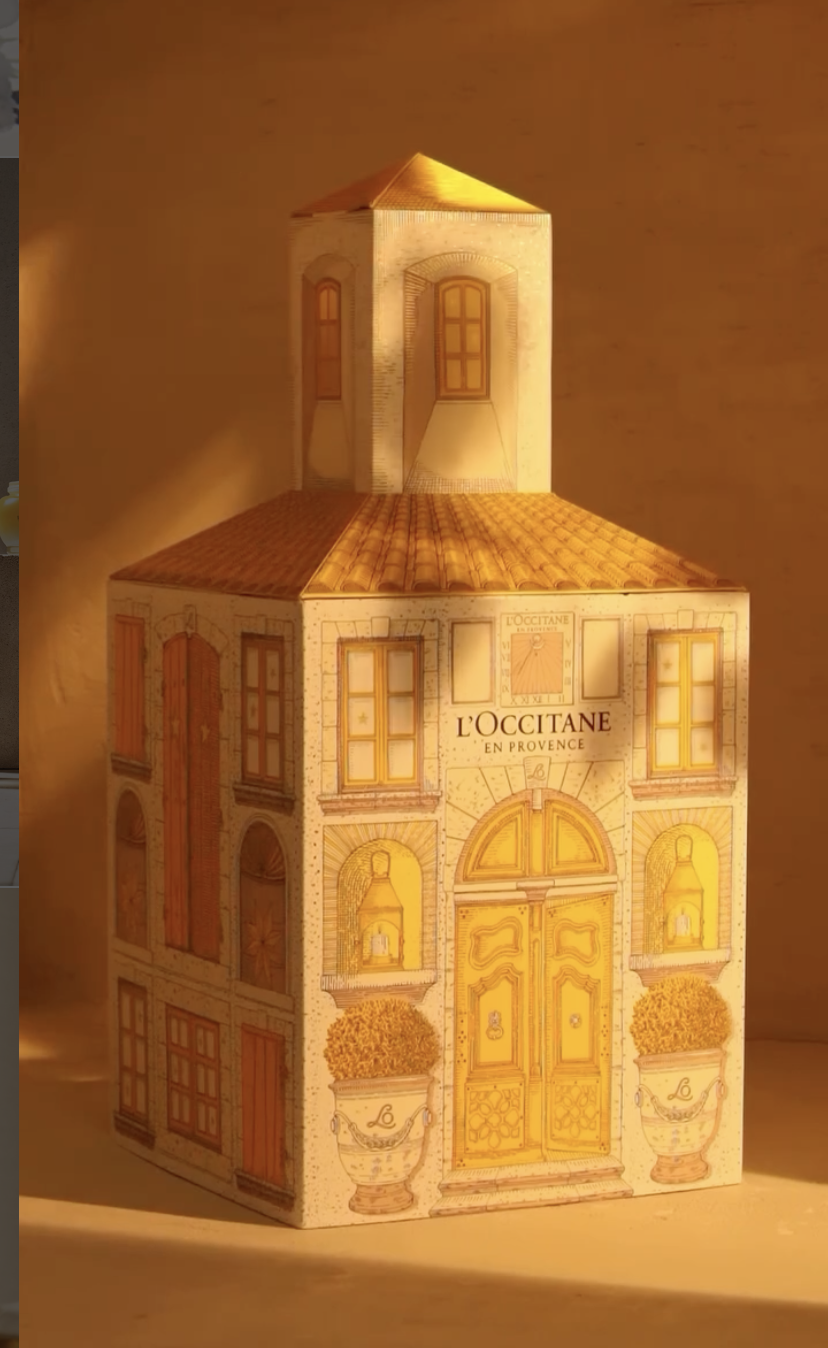
Waste reduction: They report reductions in plastic usage by redesigning holiday gift packaging, switching plastic inserts to cardboard pulp and removing plastic sleeves.
Transparency on recyclability: Their customer-support section states that 73% of their packaging is recyclable (glass, PET, aluminium, cardboard) and that eco-refills can use up to 90% less material.
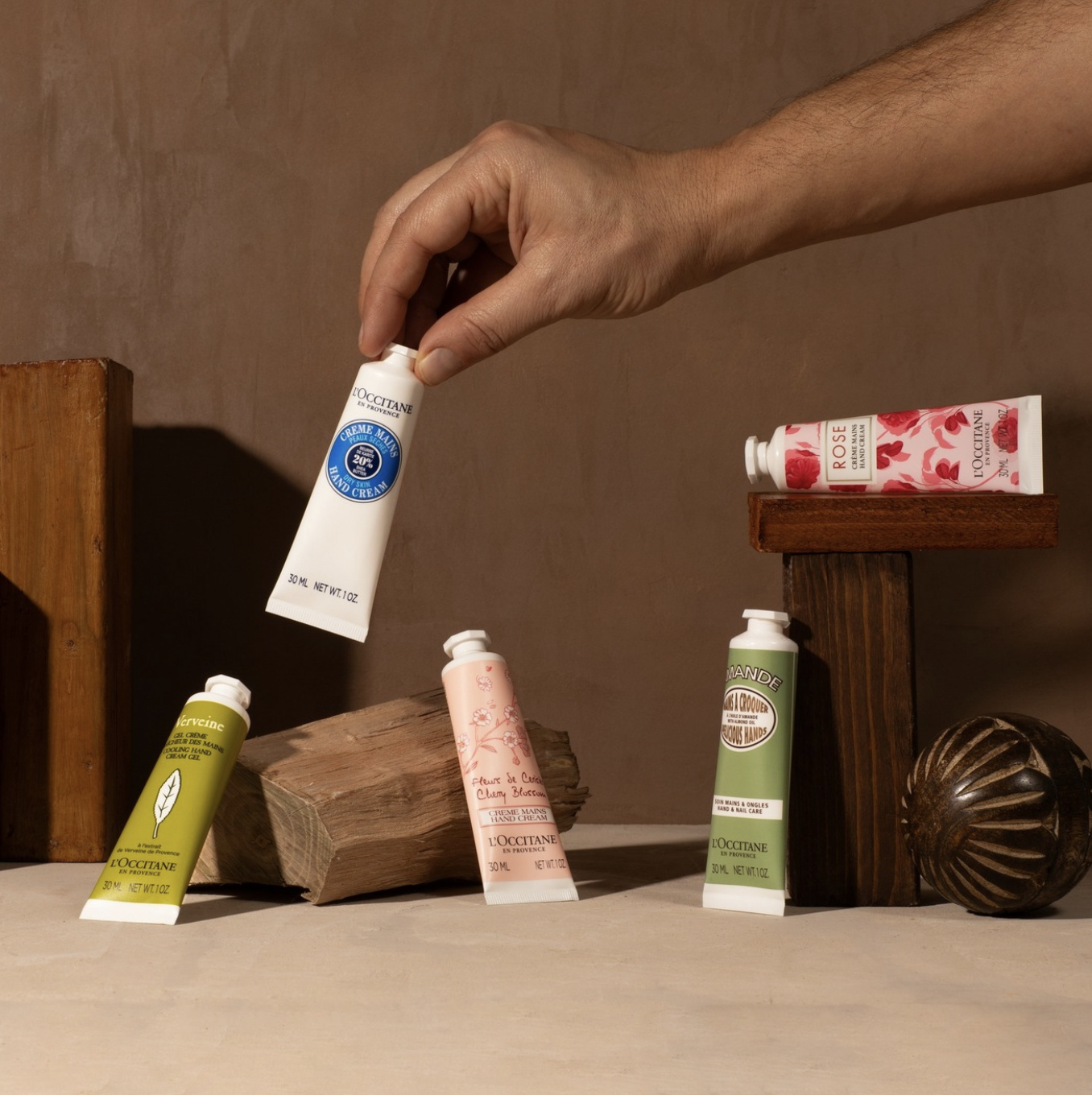
L’Occitane’s packaging strategy can be summarised as one that aligns premium brand heritage with progressive sustainability: The brand retains strong visual identity and luxury feel (Provence inspiration, thick glass bottles, elegant boxes). Simultaneously, they are investing heavily in eco-design: refills, recycled plastics, recyclable materials, waste reduction. From a cost/economics perspective: while the premium packaging adds cost, offering refill pouches and reducing materials is a smart move to reduce per‐use packaging cost and lessen environmental impact.

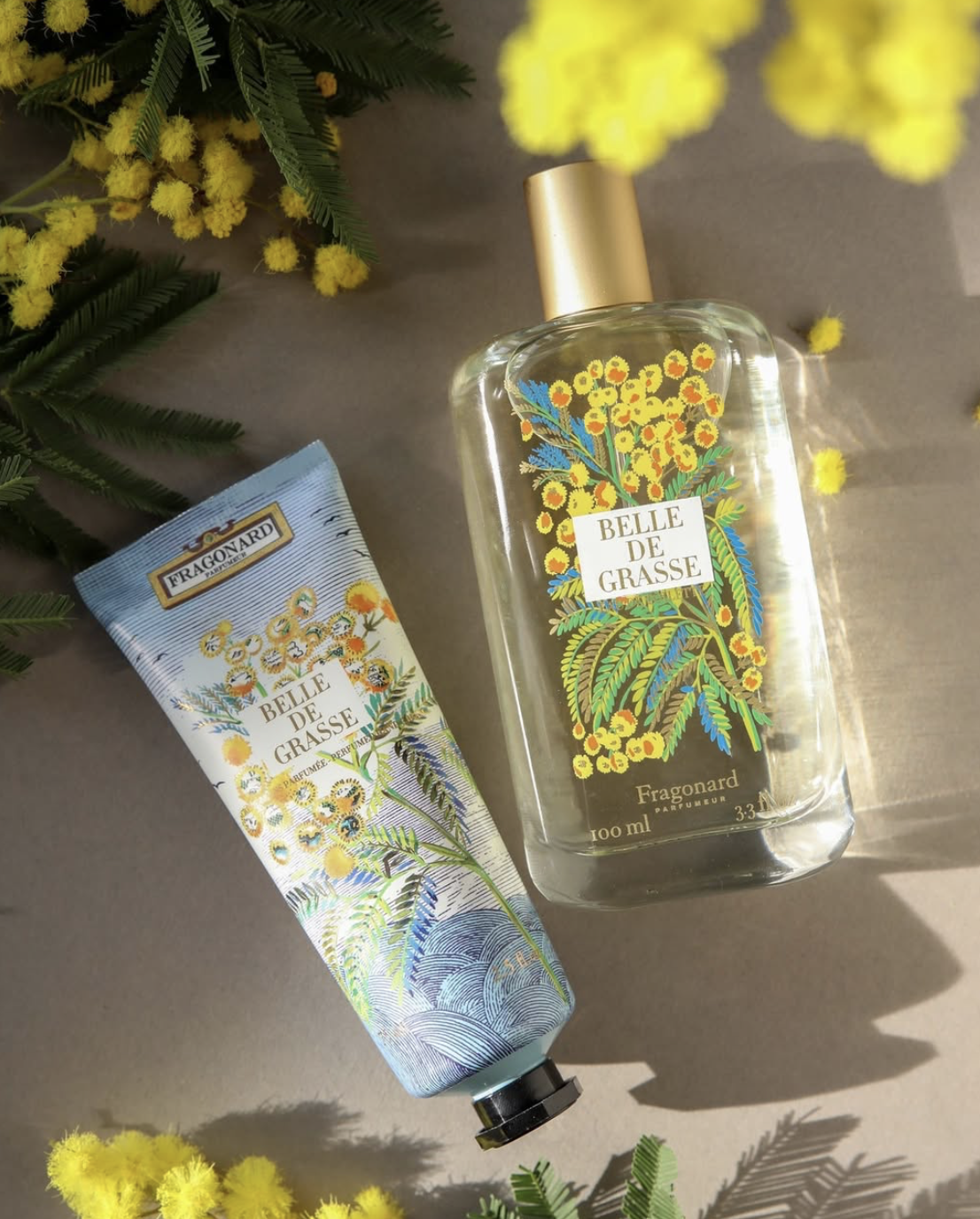
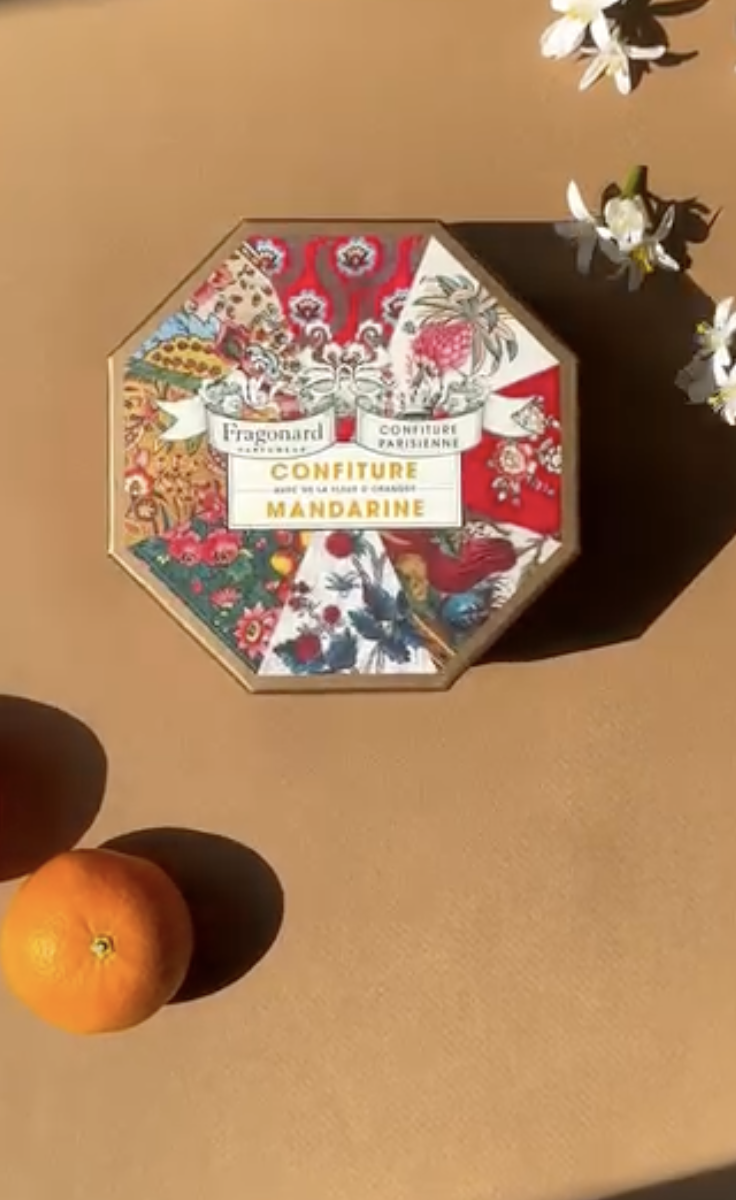
Fragonard was founded in 1926 in Grasse (Côte d’Azur, France) by Eugène Fuchs, originally a Parisian notary turned perfume-entrepreneur. The company name is a tribute to the local 18th-century painter Jean‑Honoré Fragonard, reflecting the founder’s respect for the town’s heritage and arts. The factory occupies one of the older perfumery buildings in Grasse, integrating tradition with tourist-friendly visits and demonstrations of perfume-making. Fragonard emphasises its roots in Provence: local raw materials (flowers, plants), connection to the land around Grasse, and artisanal distillation methods. Sustainability, reuse, and local manufacturing figure into their modern strategy: short sales circuits, recycling efforts, eco-responsible packaging, and resource-conscious production. What they do well
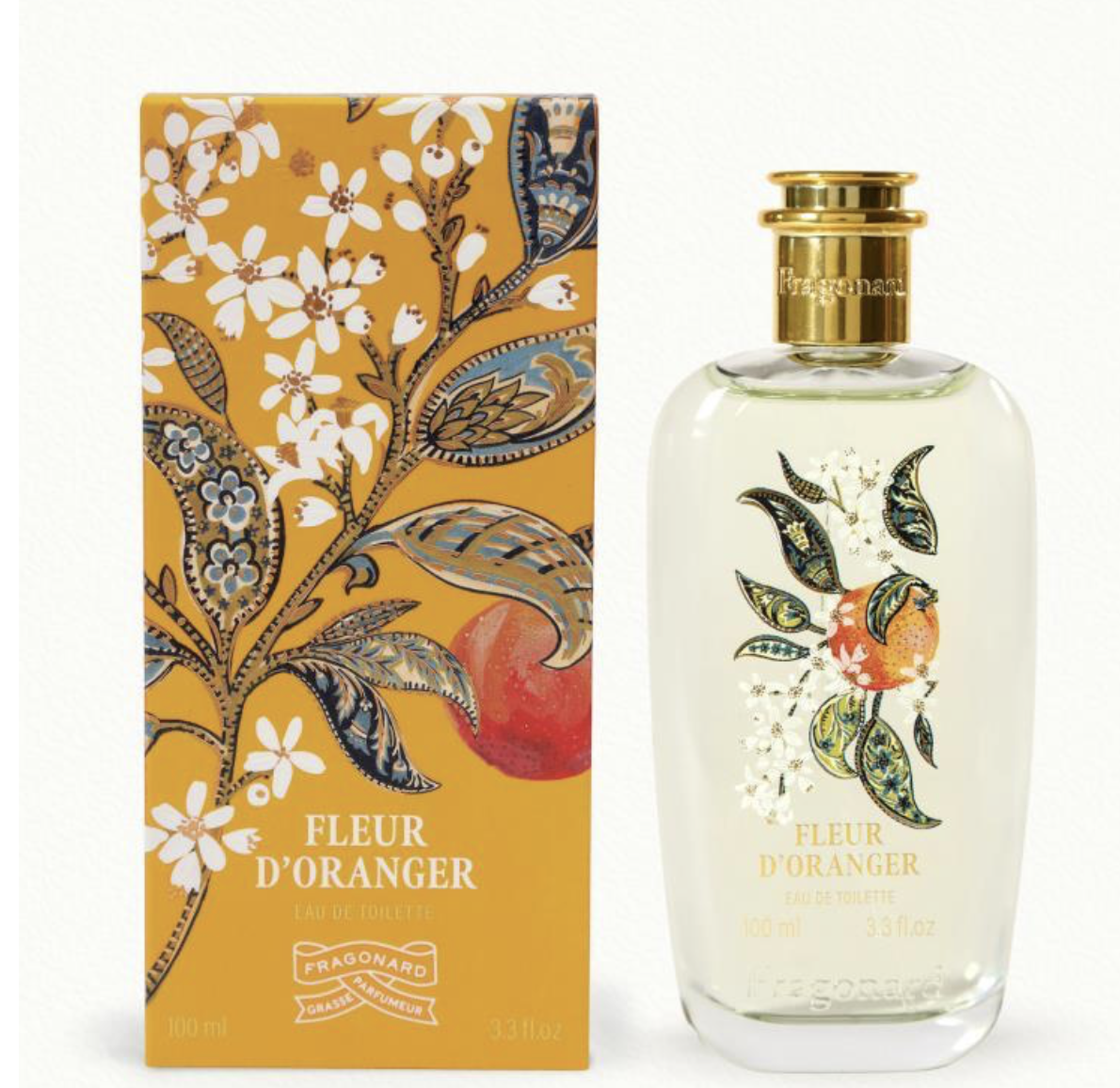
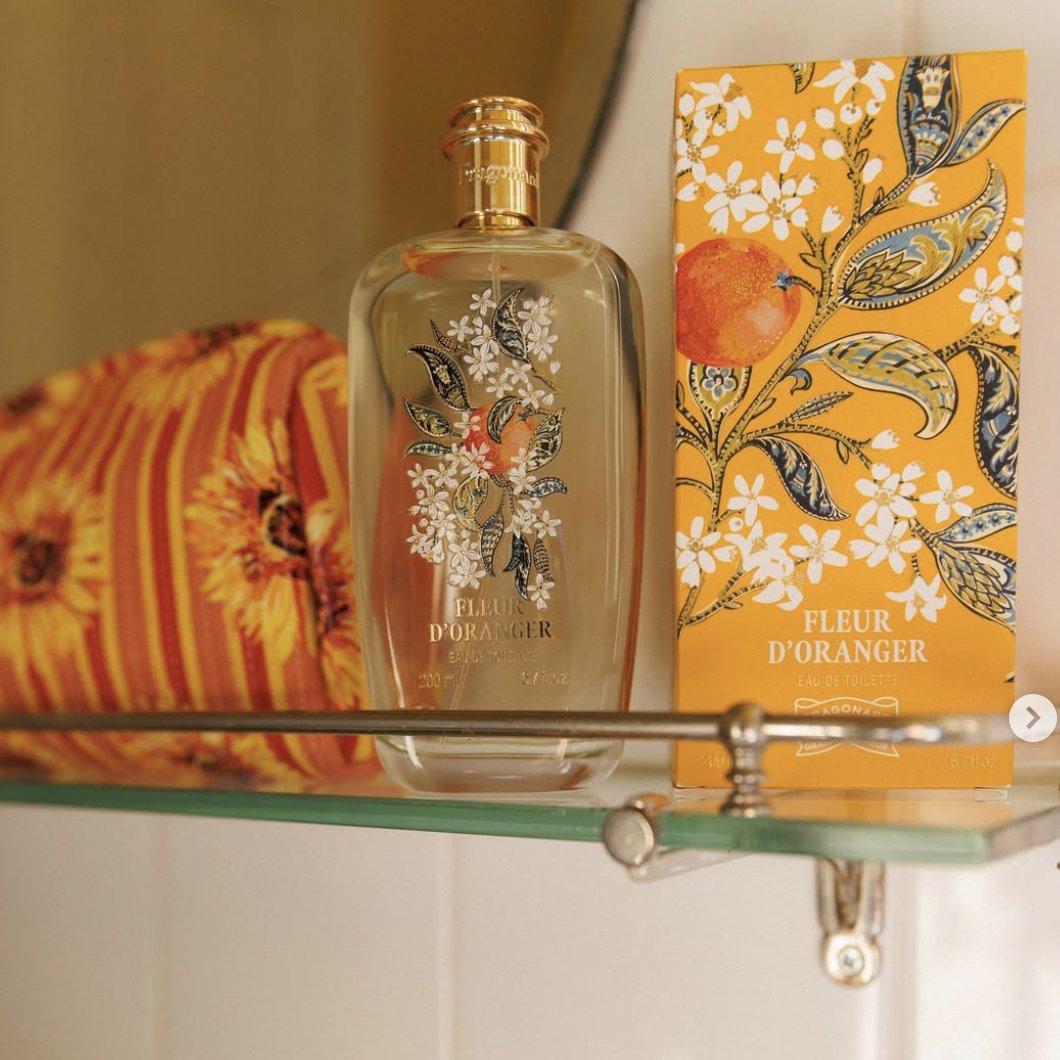
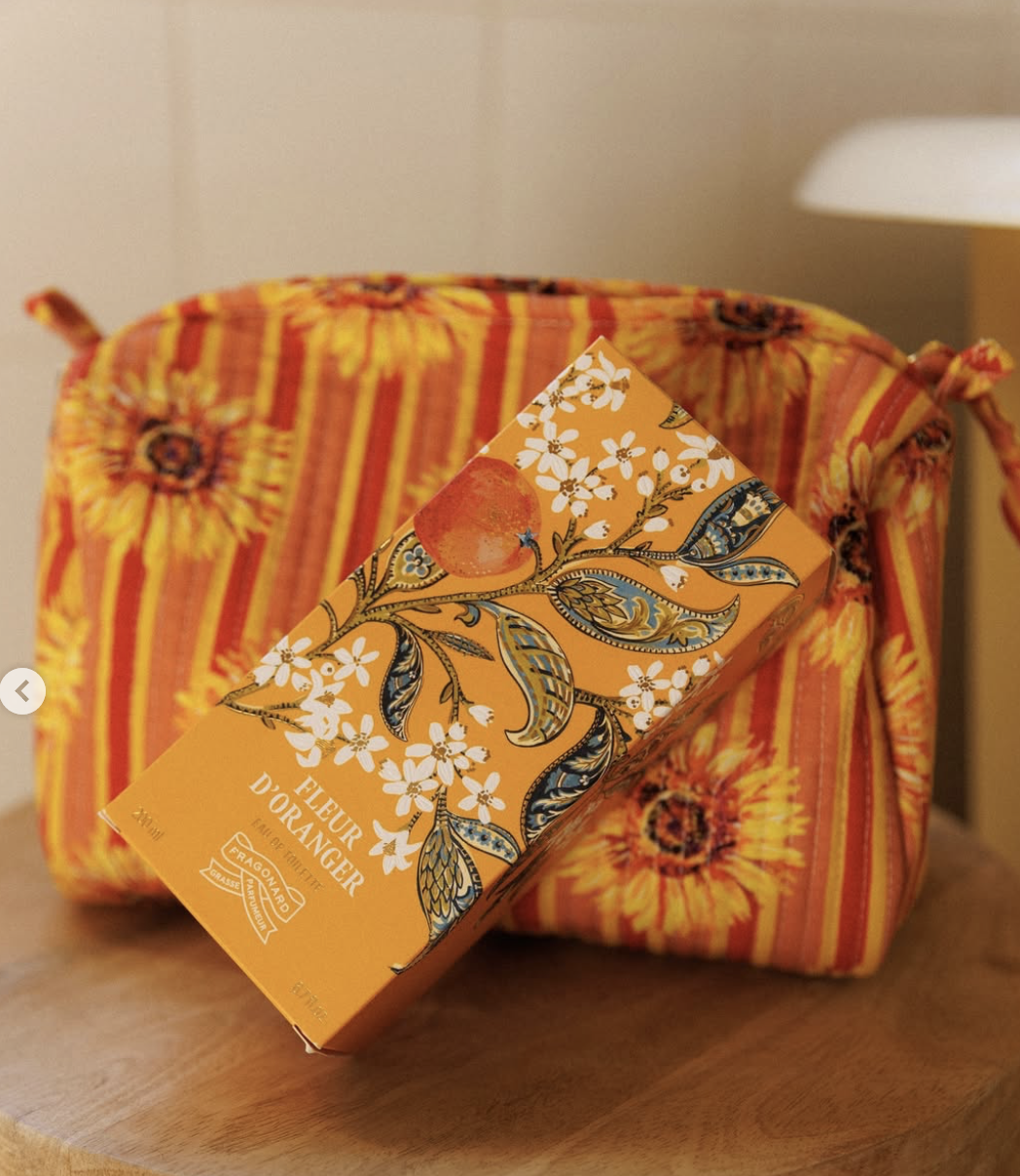
Use of recyclable materials Their cardboard boxes are “100% recyclable”. They use aluminium bottles for certain lines e.g., the “Estagnon” line uses golden aluminium bottles which protect the perfume from light and heat. The house states that their glass, aluminium, cardboard and plastic containers are recyclable.
Refill / larger size / reduction of waste. Many of their eaux de toilette products offer refill sizes which is more economical per litre and reduces unnecessary packaging. They mention that choosing the large size is “more economical when you consider the price per litre … and a small gesture for the planet that avoids unnecessary consumption”.
Eco-responsible practices in material sourcing & secondary packaging. Their catalogues are packaged not in petroleum-based plastic but in PLA (polylactic acid) film derived from corn starch (plant-based, compostable). They use FSC or PEFC certified papers for bags and printings. Their “commitment” page emphasises that packaging is a step of their environmental strategy.
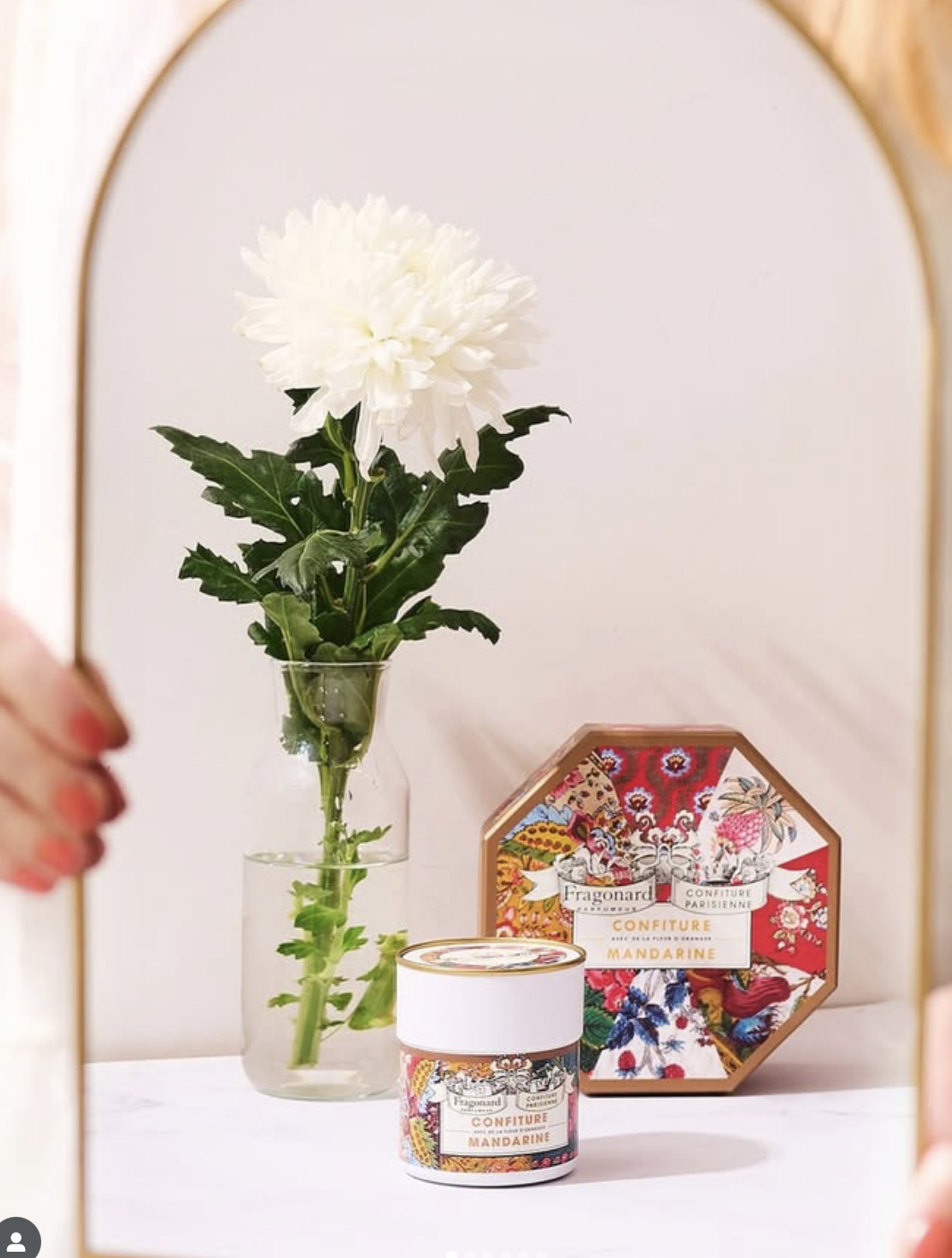
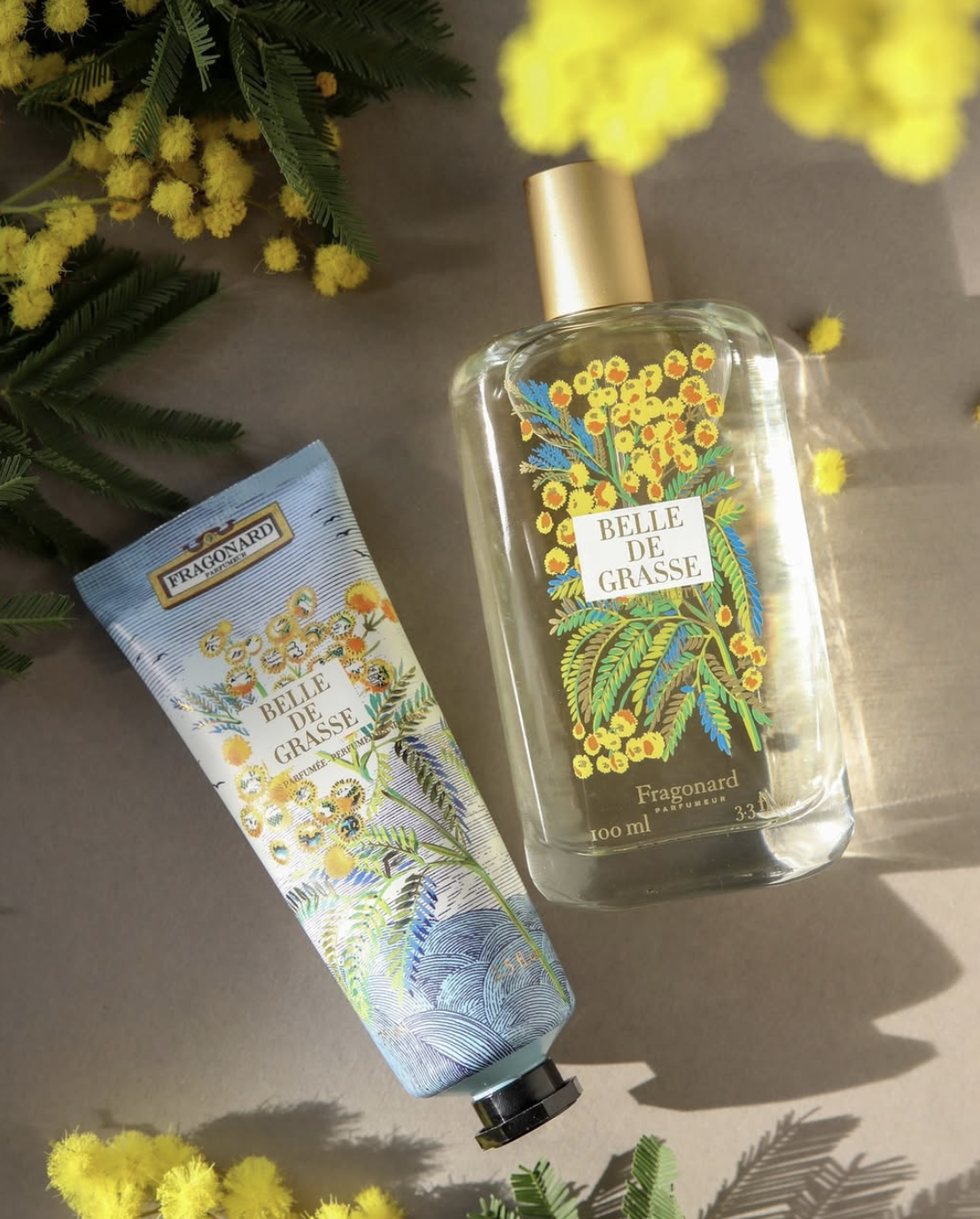
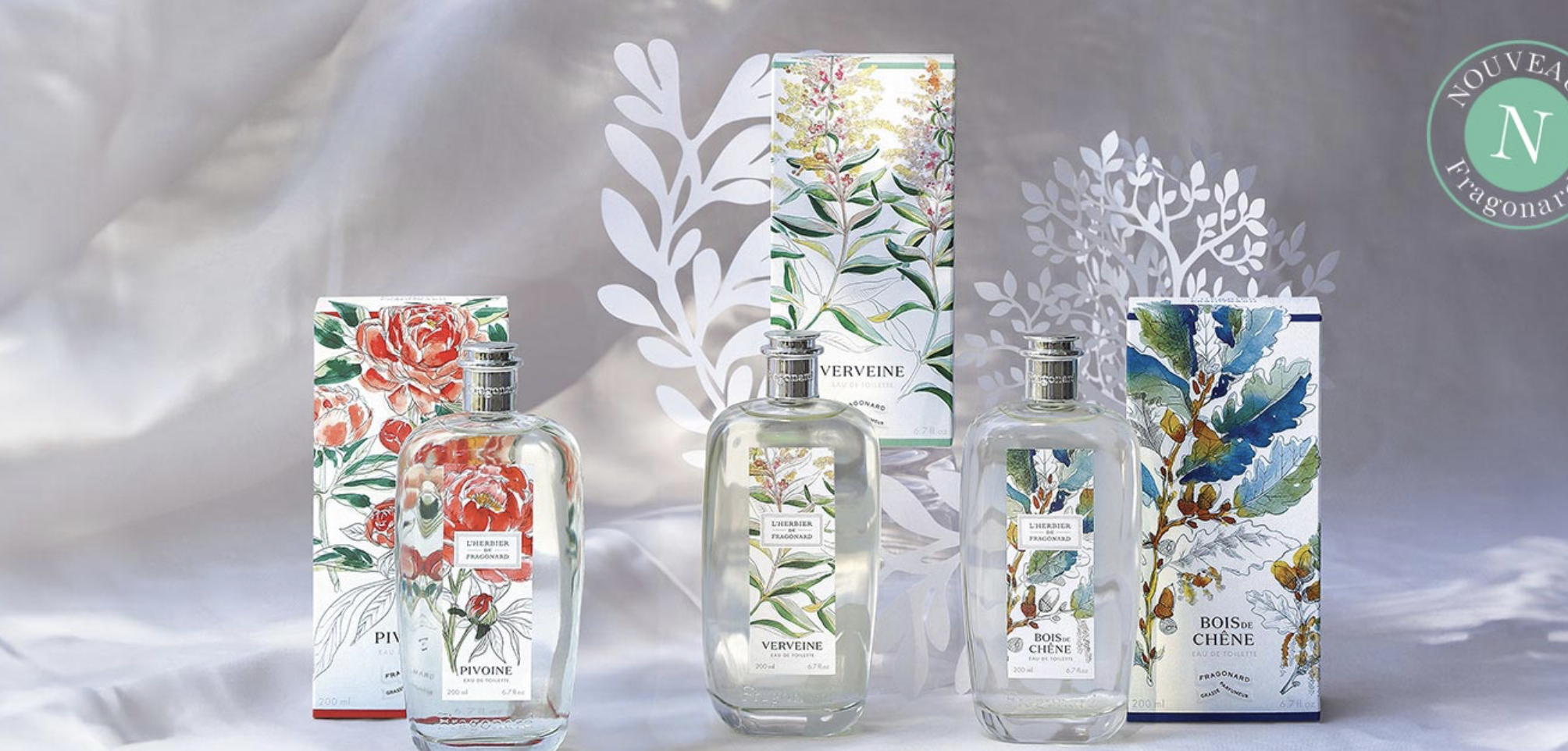
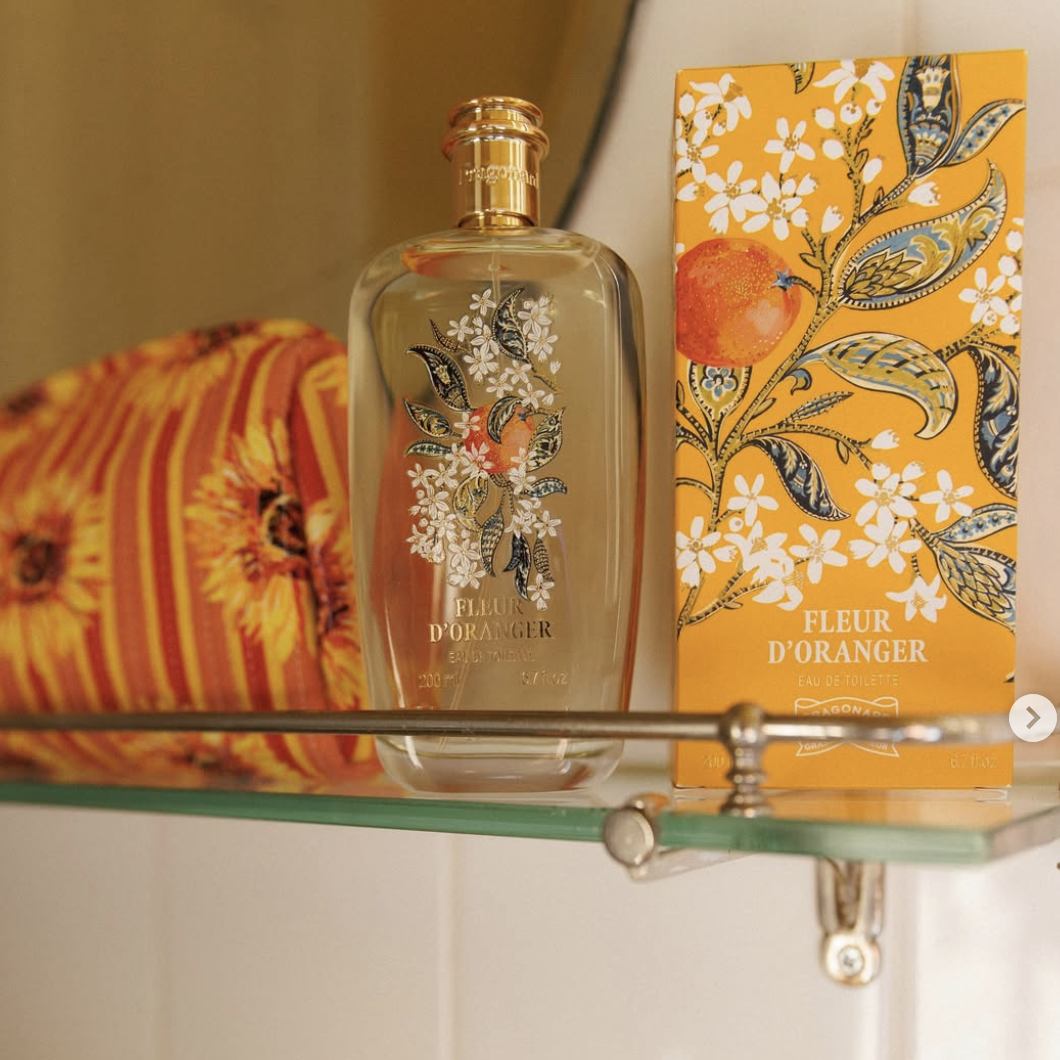
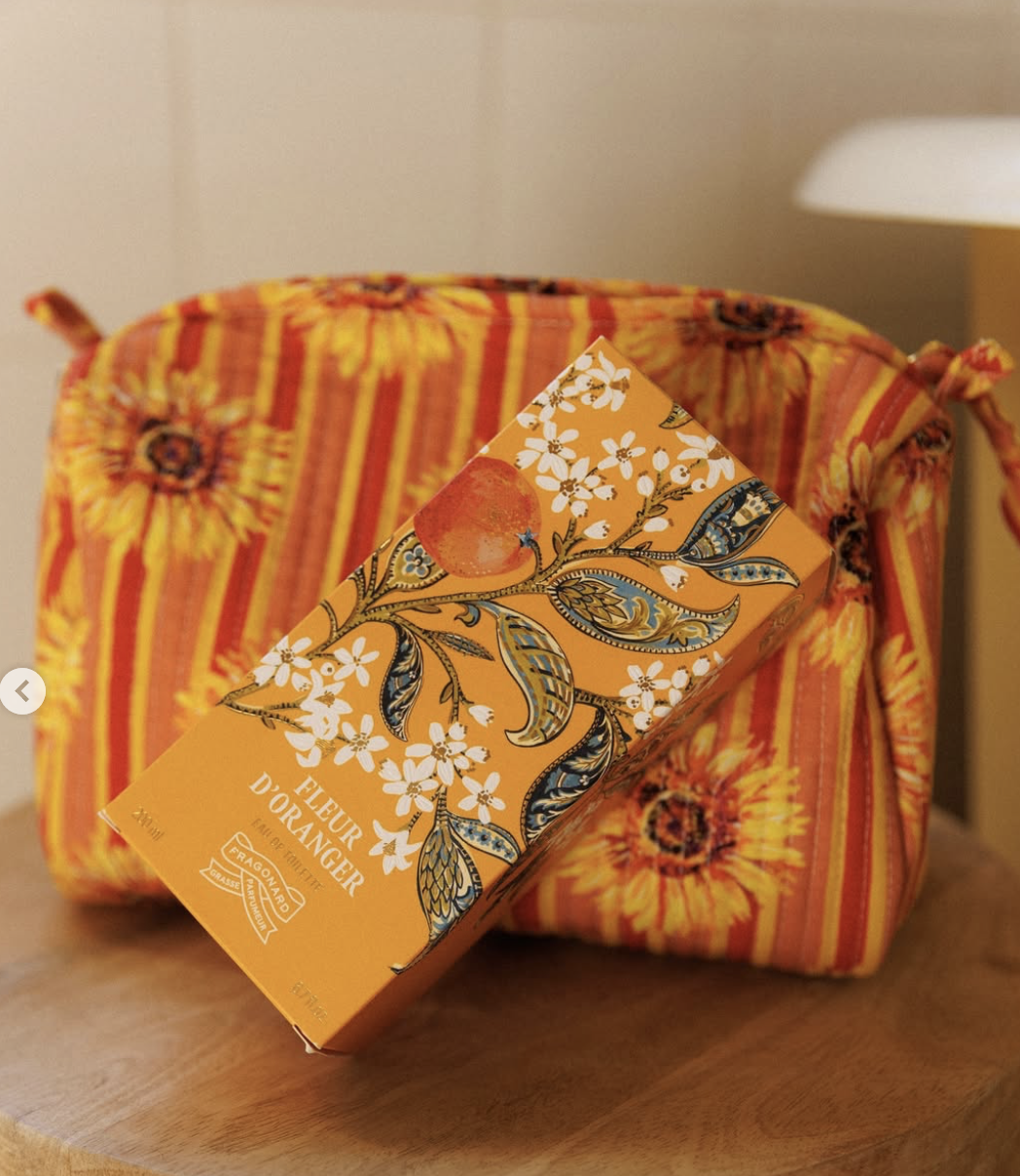
Packaging design aligned with brand aesthetics. The design of their bottles and cartons is clearly rich in visual identity referencing Provençal heritage and color/print motifs. They emphasise that packaging is a major role in purchasing decision and their in-house design team develops evocative visuals.
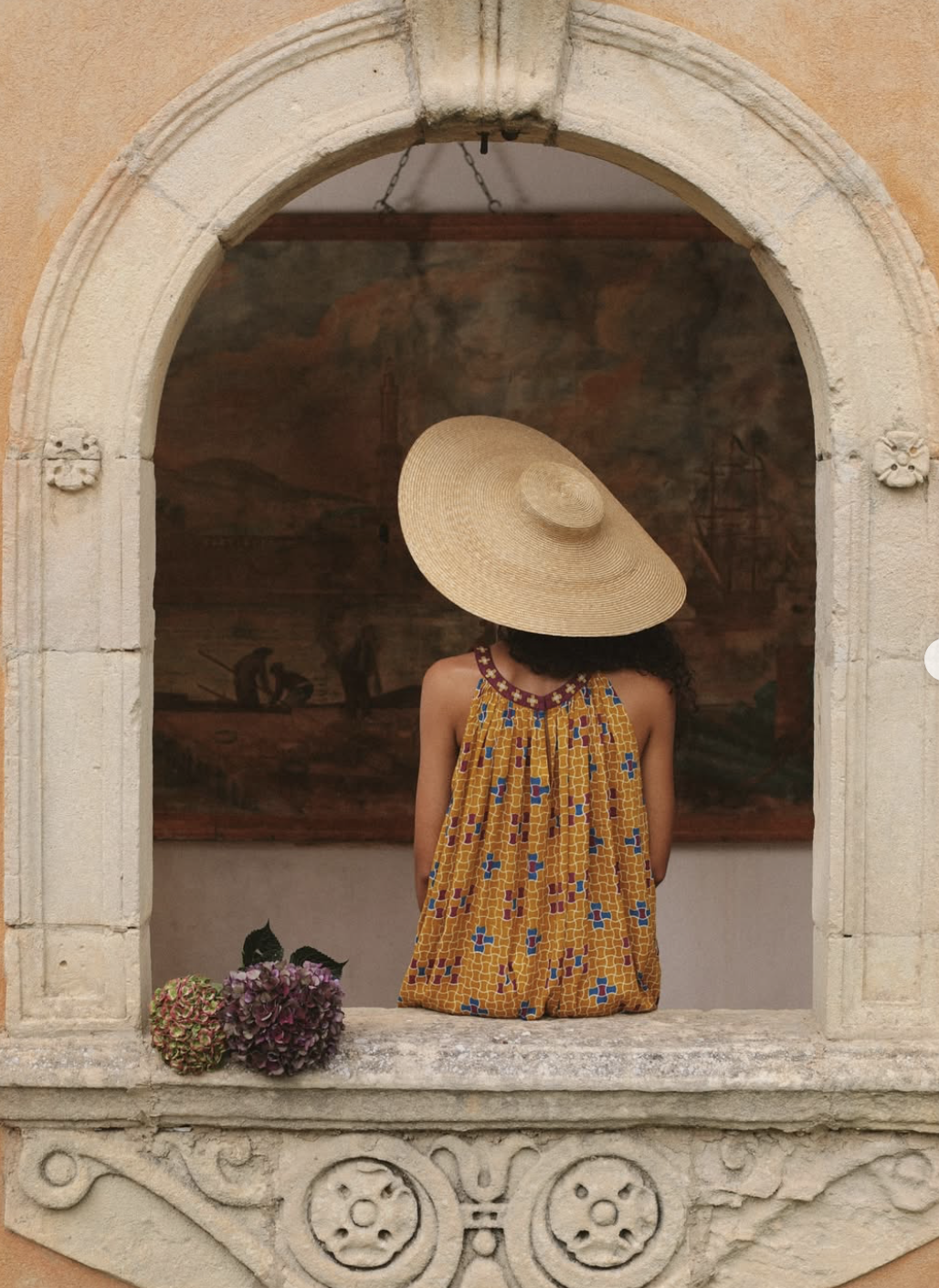
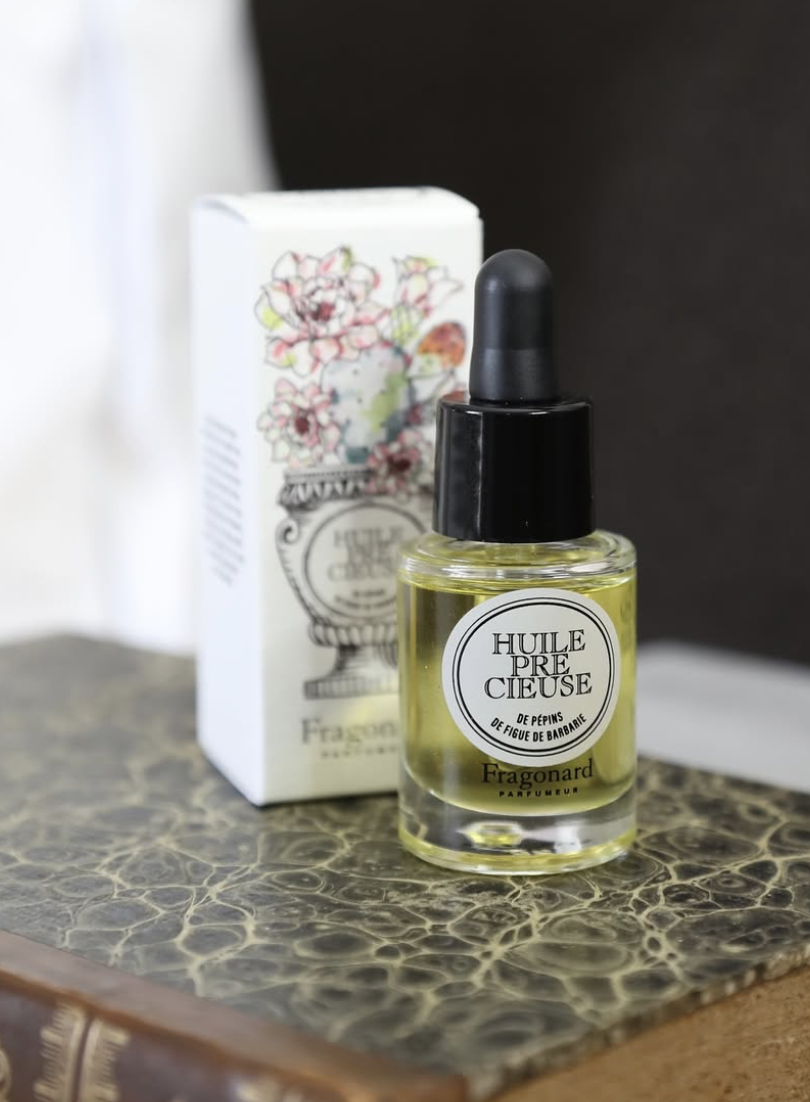
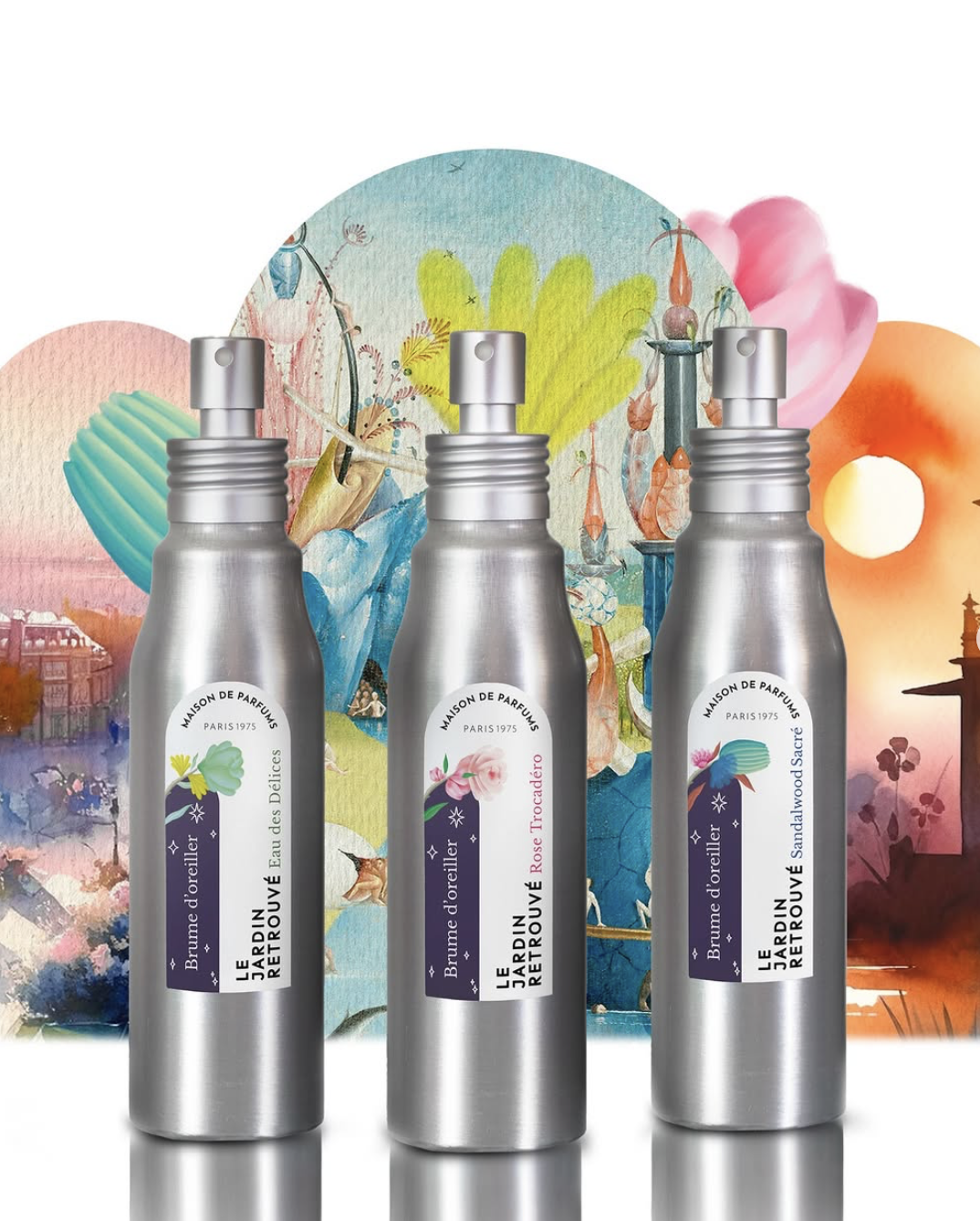
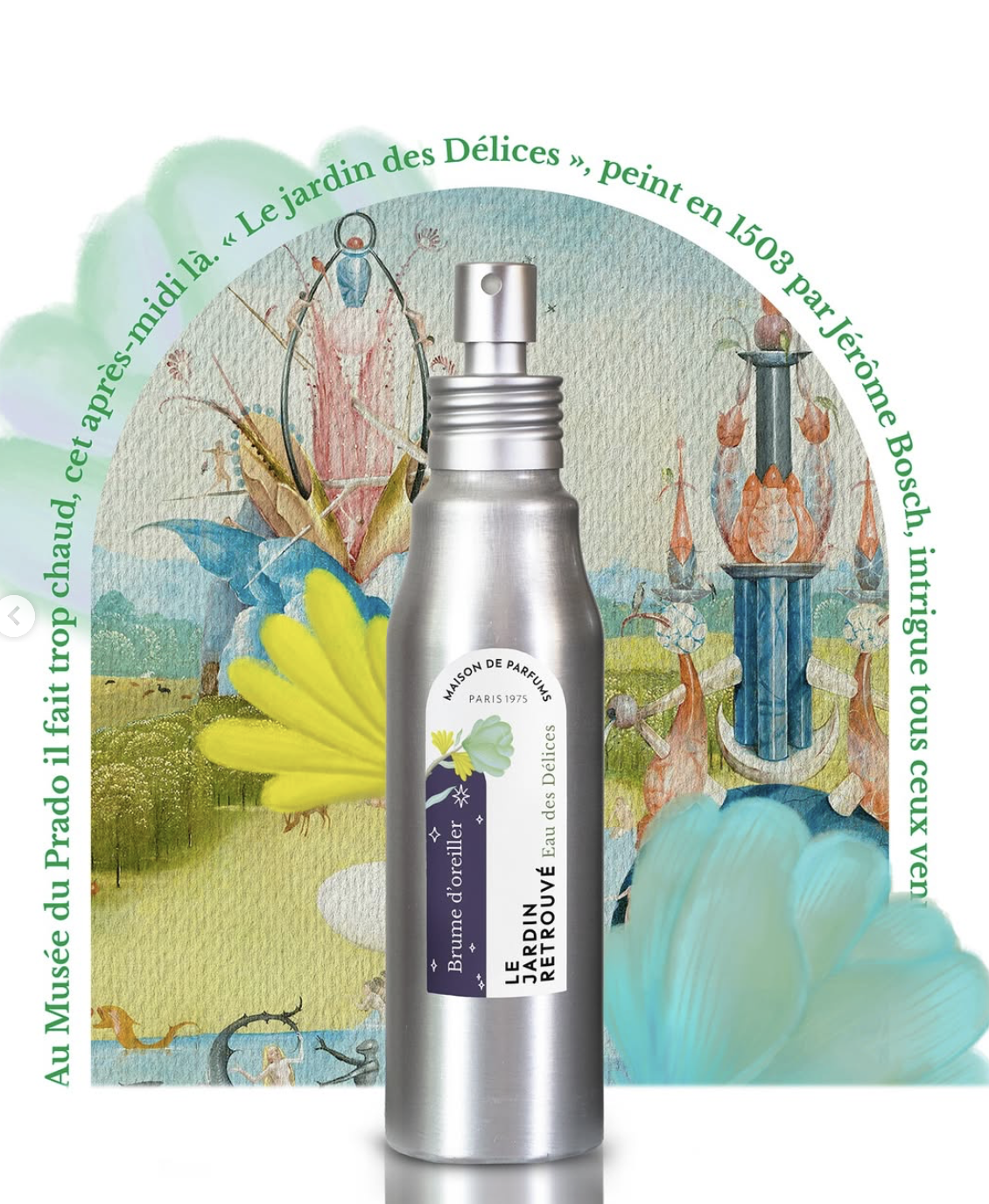
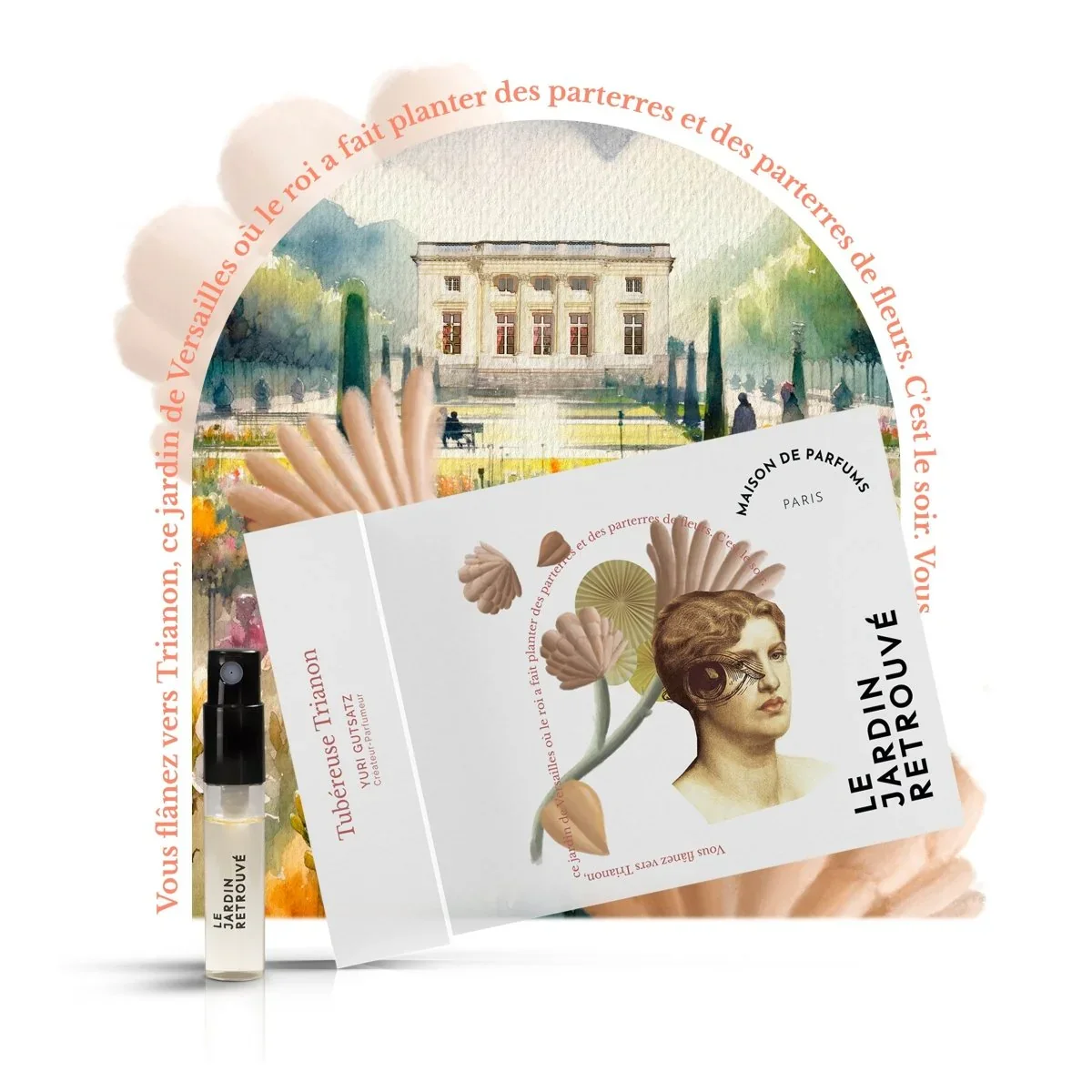
Le Jardin Retrouvé is a French family-run perfume house founded in 1975 around the notion of the garden, a universal symbol of serenity, wellbeing, beauty, poetry and comfort in an uncertain world. In 2017, the house was relaunched by Michel Gutsatz, son of the founders, and his artist wife Clara Feder. Le Jardin Retrouvé's mission is to provide an authentic state of wellbeing through its fragrances and scented products. To achieve this, the fragrance formulas have been created by two renowned in-house perfumers - Yuri Gutsatz (1914-2005) and Maxence Moutte. Story of the brand.
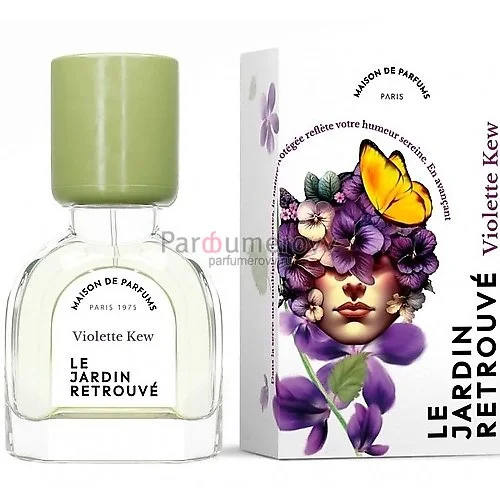
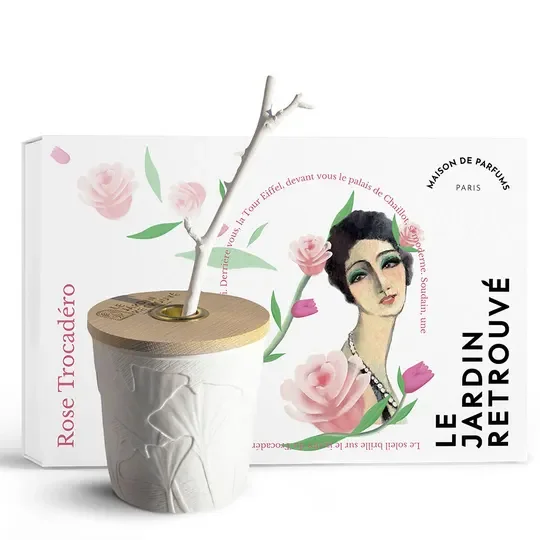
Materials & design choices. The brand states: “The bottles are made from glass.” Caps: “The caps are produced in a French company with EcoVadis Gold certification. Bakelite is a 40% bio-based resin and 100% recyclable.” Outer cartons: “The outer packs are FSC-certified cartons.” The labels are tested for long durability (“anti-crease”) so they can be kept for a long time. For home-fragrance products (candles/diffusers): reusable containers: e.g., the porcelain Limoges cup for candles/diffusers that becomes a reuse-object.
Eco-responsibility & reuse emphasis. The brand emphasises that “Our packaging is eco-friendly / eco-responsible.”
Example: The diffuser “refill” model: a reusable porcelain container + recyclable refill in aluminium. Also, customers are offered an option at checkout to offset the CO₂ of the package as part of the brand’s environmental commitments.
Transparency & minimal waste. The brand emphasises transparency in formulas and packaging. They mention an option called “without pack” in their FAQ: you can choose a version with reduced packaging (bottle in a fabric pouch + paper padding instead of full outer box) to minimise waste.